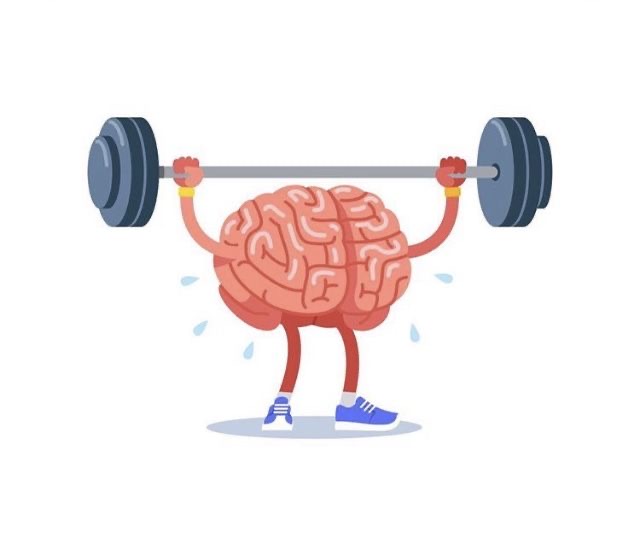
The New-Year Performance Cycle: Reflect, Rebuild, and Launch Into 2026
As 2025 winds down, many people push harder, squeezing in last-minute goals, rushing to close the year “strong,” and planning ambitious resolutions for January 1. But high-performing leaders know something different: the end of the year is not a time to sprint harder—it’s a strategic time to pause, reflect, and reset.
In high-performance psychology, this pause is not passive. It’s intentional, structured, and essential for growth. It mirrors what athletes and leaders do during the offseason. They step back, evaluate, rebuild confidence, and set the foundation for the next performance cycle.
As we head into 2026, this same approach can help you create momentum that’s durable, aligned, and sustainable.
1. Rest Is Performance
In sport science, rest isn’t a luxury or laziness, it’s part of the training cycle. Athletes recover to absorb gains, not to take it easy. Without recovery, the body plateaus or breaks down. The same holds true for mental performance. Your nervous system, cognitive capacity, and emotional bandwidth all require periods of intentional down-shifting.
Research shows that structured recovery improves:
- focus and decision-making
- emotional regulation
- creativity and problem-solving
- long-term motivation
When you pause at the end of the year, you create space for integration. This is something most people skip entirely.
Rest restores clarity and clarity drives performance.
2. The Danger of “All Gas, No Brakes” Planning
Many driven people try to power through December, convinced momentum comes from doing more. But elite performers know that:
- habitually pushing harder narrows perspective
- chronic busyness erodes creativity
- urgency replaces strategy
- volume replaces intentionality
When everything feels urgent, nothing is truly important. This is where athletes use periodization. This is a training plan that consciously cycles between work, recovery, preparation, and performance phases. Without these phases, performance erodes, slowly at first, then all at once.
If you never shift gears, you miss the insights that could double your effectiveness in the next year.
3. How to Do a Mental Performance Audit for 2026
Athletes and executives who perform consistently well don’t wait for January 1 to figure out what’s working. They run a performance audit, a structured review of mindset, habits, and psychological skills.
Here’s a simple model you can use:
A. Skills
Which mental skills did you lean on this year?
- Goal setting
- Mindfulness
- Self-talk
- Visualization
Which ones need strengthening in 2026?
B. Mindset
Which beliefs helped you perform well? Which ones held you back?
- Did I trust myself in high-pressure moments?
- Did I avoid challenges or move toward them?
- Did I stay aligned with my values?
Mindset is trainable…but only if you recognize its patterns.
C. Habits & Systems
Performance isn’t about willpower; it’s about structured systems.
Ask:
- What routines supported my health and clarity?
- Where did I fall into autopilot?
- What habits drained my energy or reduced resilience?
These insights guide your process goals for 2026.
D. Confidence Profiling
- What experiences built your confidence this year?
- What diminished it?
- What do you want to deliberately practice next year to grow confidence?
Confidence is not luck. It’s built through preparation, mastery, and meaning.
E. Motivation & Self-Determination
Look at your sources of motivation:
- What felt intrinsically meaningful?
- Where did external pressure or obligation dominate?
- What would make 2026 more internally driven?
Aligning goals with autonomy, competence, and connection sets up long-term, sustainable effort.
4. Shifting From Autopilot to Intentionality for 2026
Most people roll into a new year with reactive energy. High performers do the opposite: they transition into the next cycle with deliberate clarity.
Here’s how:
1. Set a Direction, Not a Resolution
Choose a theme or identity for the year:
- “2026 is my year of alignment.”
- “2026 is my year of strength and recovery.”
- “2026 is my year of scaling with intention.”
Identity shapes behavior more than goals do.
2. Build a Mental Performance Plan
Just as athletes have training plans, you can create a mental performance schedule:
- weekly recovery strategies
- monthly goal reviews
- quarterly strategic resets
- yearly adventure or challenge anchors
3. Protect the Foundations
Sleep, movement, connection, and emotional regulation drive every other domain of performance.
You can’t out-grind your physiology.
4. Visualize the Year Ahead
Use mental imagery to rehearse the person you want to become and the systems required to support it.
5. Start Small, Start Now
Momentum is built by micro-actions, not massive January 1 declarations.
Final Thoughts
The end of the year is not the finish line. It’s the transition zone. Elite performers don’t rush through this space, they use it. They reflect, recover, recalibrate, and step into the next year with clarity and purpose.